

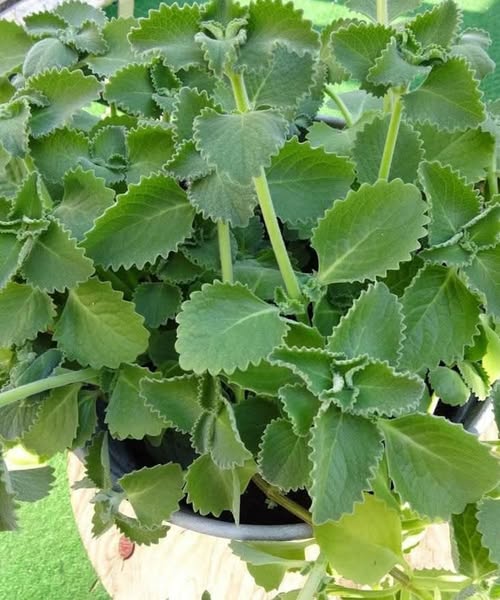
Oregano (Oregano Leaf) – Detailed Information
1. What Is Oregano?
Oregano is a fragrant herb widely used in cooking and traditional herbal practices around the world. Its scientific name is Origanum vulgare, and it belongs to the mint family. Oregano is especially popular in Mediterranean cuisine and is known for its strong aroma, warm flavour, and versatile culinary uses.


The plant has small green leaves and woody stems. Fresh oregano leaves have a slightly peppery, earthy, and mildly bitter taste. When dried, the flavour becomes stronger and more concentrated.
Oregano has been used since ancient times in regions such as Greece, Italy, and the Middle East. Today, it is one of the most commonly used herbs in the world and is valued both for its flavour and its natural compounds.
2. Nutritional Value of Oregano Leaves
Although oregano is usually consumed in small amounts, it contains a wide range of beneficial nutrients and plant compounds.
Main Nutrients Found in Oregano
Vitamins
- Vitamin K
- Vitamin A
- Vitamin C
- Vitamin E
Minerals
- Iron
- Calcium
- Manganese
- Potassium
- Magnesium
Other Beneficial Compounds
- Antioxidants
- Essential oils
- Dietary fibre
- Natural phenols such as carvacrol and thymol


Fresh oregano leaves are low in calories while providing concentrated flavour and natural antioxidants.
3. Health Benefits of Oregano Leaves
Rich in Antioxidants
Oregano contains antioxidants that may help protect the body from oxidative stress caused by free radicals. These compounds support overall cellular health.
May Support the Immune System
The vitamin C and natural plant compounds found in oregano may help support the body’s immune response.
Traditionally Used for Respiratory Support
In traditional practices, oregano tea and oregano oil have often been used to support respiratory comfort during seasonal changes.
May Support Digestion
Oregano has traditionally been used to support digestion and may help stimulate appetite and digestive function.
Natural Antimicrobial Properties
Compounds such as carvacrol and thymol have been widely studied for their natural antimicrobial properties.


4. Culinary Uses of Oregano
Oregano is one of the most important herbs in Mediterranean and international cuisine.
Common Uses
- Pizza seasoning
- Pasta sauces
- Soups and stews
- Meat marinades
- Salad dressings
- Herbal teas
Fresh oregano leaves provide a softer flavour, while dried oregano is stronger and more aromatic.
In Mediterranean cooking, oregano is often combined with:
- Olive oil
- Garlic
- Lemon
- Tomatoes
- Grilled vegetables
It is also widely used in Turkish, Greek, Italian, and Mexican dishes.