
Low-Carb Tuna Casserole
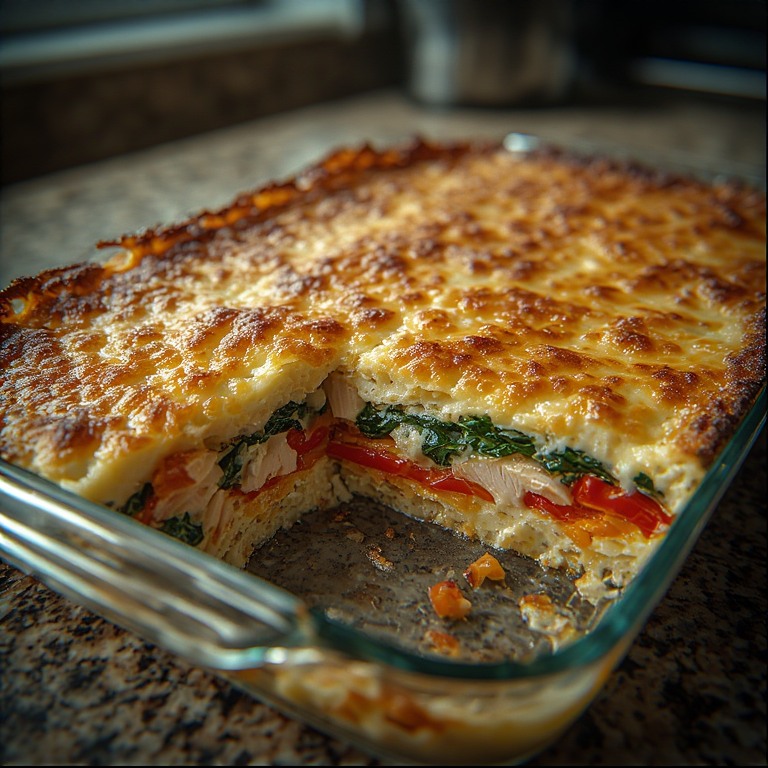
The classic American tuna casserole — built around egg noodles, cream of mushroom soup, and canned tuna, topped with crushed crackers — is one of the most enduring comfort food dishes in the mid-century American repertoire, and also one that is straightforwardly high in carbohydrates from its noodle and cracker components. This five-ingredient version preserves the casserole’s core identity — baked, savory, creamy, tuna-centered, cheesy — while eliminating the pasta and replacing the condensed soup base with a more direct combination of eggs, sour cream, and cheddar. The result is a casserole that sets firmly during baking, scoops cleanly, and delivers the warm, savory, comforting character of a proper tuna casserole without the noodles — genuinely satisfying for anyone eating lower-carbohydrate and not a compromise for anyone who isn’t.
The undrained tuna is a deliberate technique choice worth noting. Draining canned tuna is the automatic habit most cooks develop, and it makes sense for preparations like tuna salad where excess moisture would make the salad watery. In a baked casserole, however, the tuna’s packing water contributes to the moisture balance of the final dish — it keeps the tuna itself from drying out during baking and contributes to the overall sauciness of the casserole. A casserole made with drained tuna can be noticeably drier, particularly toward the center. The undrained tuna is part of what makes this casserole moist and well-textured throughout rather than dry at the edges or gummy in the middle.
What Makes This Version Work Without Noodles
The classic tuna noodle casserole uses pasta for bulk, texture, and satiety — the noodles absorb the cream soup sauce and provide a substantial carbohydrate base that makes the dish filling. This version achieves bulk and satiety differently: three five-ounce cans of tuna provide substantial protein, the eggs add structure (they set during baking into the firm, sliceable texture that makes the casserole scoopable), and the sour cream provides the creamy richness that the condensed cream soup would otherwise contribute. Cheddar cheese does triple duty — it adds flavor to the custard base, it provides the golden, bubbled top crust, and it adds additional fat and richness that makes the dish satisfying without relying on carbohydrate bulk.
The egg-and-sour-cream combination, when baked, produces something with the texture of a savory custard or a frittata — set and firm enough to scoop but not rubbery or overcooked, with a creamy interior that is more tender than the texture of a conventional baked casserole. This is a different eating experience from the noodle-based version, and one that many people find they prefer independently of any interest in low-carbohydrate eating.
Why You’ll Love This Recipe
Five pantry and refrigerator staples, ten minutes of prep, and twenty-five to thirty minutes of baking produce a complete, protein-rich main course that serves four generously. The casserole requires no stovetop work, no separate sauce-making, and no pasta cooking — everything goes into a single baking dish. For households managing carbohydrate intake, it delivers the warm, creamy, savory satisfaction of a classic casserole without the pasta. For households not specifically concerned with carbohydrates, it is simply a faster, more direct, and differently textured version of the same comfort food tradition — worth making on its own terms regardless of dietary context.
Ingredient Notes
Canned tuna in water — three 5-ounce cans, undrained — is the protein base. Tuna packed in water produces a cleaner, more neutral-tasting casserole than tuna packed in oil, which adds a heavier, more aggressively flavored element that can overwhelm the sour cream and egg custard. The tuna goes in undrained, as discussed above. Solid pack tuna (rather than chunk light) produces larger, more identifiable tuna pieces in the finished casserole with a firmer, meatier texture; chunk light tuna breaks apart more finely and distributes more evenly through the casserole. Both are appropriate; solid pack produces a more visually appealing finished casserole with distinct tuna presence in each spoonful.
Eggs — three large — are the structural component that sets the casserole during baking. The eggs, when combined with the sour cream and baked at 375°F, produce the savory custard structure that allows the casserole to be scooped rather than simply spooned. Three eggs for the combined tuna and sour cream quantity is the correct ratio for a set but tender result — too few eggs produces a casserole that doesn’t fully set and is difficult to portion; too many produces a rubbery, egg-dominant texture that is unpleasant. Room-temperature eggs incorporate more evenly with the sour cream than cold eggs directly from the refrigerator.
Full-fat sour cream — one cup — is the creamy base of the custard that replaces the condensed cream soup of the classic casserole. Full-fat is specified because reduced-fat sour cream has a higher water content and can produce a casserole that is more liquid and less creamy in texture. The sour cream’s mild tanginess adds a pleasant background acidity that brightens the overall flavor of the casserole — more interesting than plain heavy cream would be in the same application.
Shredded cheddar cheese — one and a half cups, divided — serves two roles: one cup is stirred into the custard base where it melts during baking and contributes to the casserole’s overall savory, cheesy flavor throughout; the remaining half cup is scattered over the top where it forms the golden, bubbled, slightly crisped top layer. Sharp cheddar has enough flavor to assert itself in the finished casserole; mild cheddar is more subdued and produces a less distinctly cheesy result. A mix of cheddar and Gruyère or Comté produces a more sophisticated, more complex cheesy flavor that is an excellent upgrade for anyone who wants the casserole to feel more deliberately composed.
Garlic powder — one teaspoon — is the primary seasoning beyond salt and pepper. A full teaspoon is a noticeable amount that gives the casserole a clear savory depth without making the garlic assertively identifiable in the finished dish. Fresh garlic minced finely can be substituted at two minced cloves for a more vibrant, more distinctly garlicky character.
Ingredients
- 3 cans (5 oz each) tuna in water, undrained
- 3 large eggs, room temperature
- 1 cup full-fat sour cream
- 1½ cups shredded sharp cheddar cheese, divided
- 1 tsp garlic powder
- ½ tsp kosher salt
- ½ tsp black pepper
- Cooking spray or butter, for greasing the dish