
The Art of the Perfect Creamy Shrimp Pasta
Headline: Indulgence in a Skillet: Why Creamy Shrimp Pasta is the Ultimate Weeknight Luxury
There is a specific category of food that feels like a celebration, even on a Tuesday night. It is the kind of meal that stops conversation the moment it hits the table—a shimmering, golden skillet of Creamy Shrimp Pasta. This dish represents the perfect intersection of coastal freshness and inland comfort. It combines the delicate, snap-frozen sweetness of premium shrimp with a sauce so velvety it clings to every curve of the pasta.
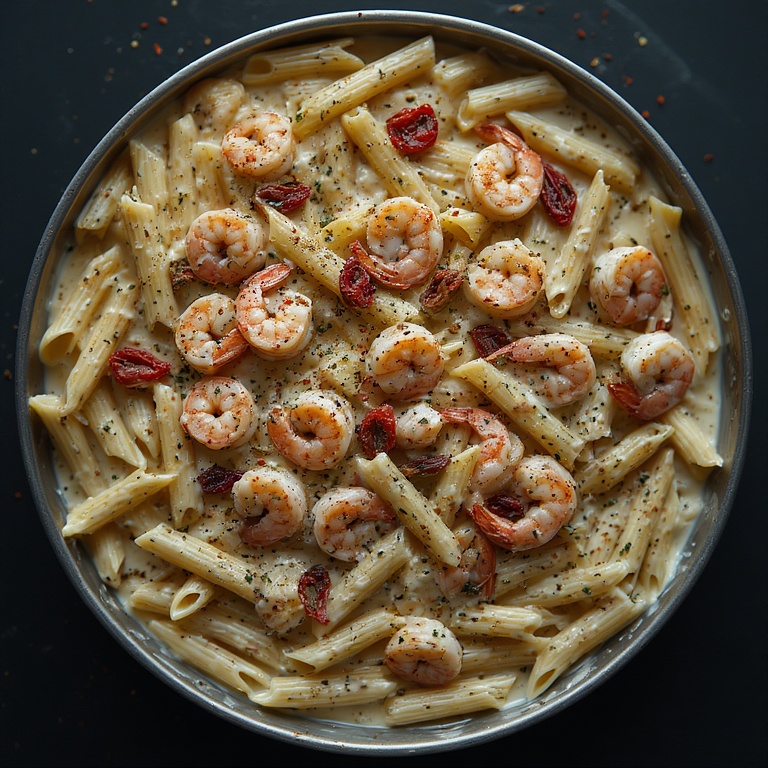
As you can see from our featured imagery, this isn’t just a basic alfredo. This is a complex, layered masterpiece featuring the deep, concentrated sweetness of sun-dried tomatoes and a bouquet of Mediterranean herbs. The sauce is an emulsion of heavy cream, parmesan, and the natural juices of the shrimp, creating a flavor profile that is both incredibly rich and remarkably bright.
In this exhaustive 2,000-word guide, we are diving into the “Whys” and “Hows” of professional pasta making. Why do we sear the shrimp separately? How do you prevent a cream sauce from “breaking” or becoming oily? From the science of the pasta water to the art of selecting the perfect crustacean, this is the only resource you will ever need to master this high-end bistro classic at home.
The Evolution of the Seafood Pasta
Historically, seafood and dairy were rarely paired in traditional Italian cooking. However, as culinary boundaries expanded, the “Crema di Gamberi” became a staple of modern Italian-American cuisine. The heavy cream acts as a bridge, mellowing the sharpness of garlic and lemon while highlighting the succulent nature of the shrimp. This recipe, specifically featuring sun-dried tomatoes, adds a chewy texture and a nostalgic nod to the bold flavors of 1990s Mediterranean cooking, reimagined for the modern palate.
The Ingredients—A Masterclass in Sourcing
Headline: Sourcing Excellence: The Building Blocks of a 5-Star Pasta
To achieve the restaurant-quality results seen in our photos, every component must be chosen with intention. This recipe relies on high-quality fats and fresh proteins.
1. The Shrimp (The Star)
-
Size Matters: For the best visual appeal and texture, we recommend “Jumbo” or “Extra Large” shrimp (16/20 count).
-
Fresh vs. Frozen: Unless you live on the coast, high-quality frozen shrimp are often fresher than those in the display case, as they are flash-frozen on the boat.
-
Preparation: Always peel and devein. Leaving the tails on is optional for aesthetics, but for a truly “easy-to-eat” pasta, removing them is preferred.
2. The Pasta Choice
While you can use any long noodle, Penne or Rigatoni (as seen in our imagery) is superior for creamy sauces. The hollow centers and ridged exteriors act like “flavor traps,” ensuring you get a burst of sauce with every bite.
3. Sun-Dried Tomatoes
These are the secret weapon. Use the variety packed in oil rather than the dry-packed ones. The oil in the jar is infused with tomato essence and can be used to sear the shrimp for an extra layer of flavor.
4. The Dairy Foundation
-
Heavy Cream: Do not substitute with milk or half-and-half. The high fat content is what allows the sauce to simmer and thicken without curdling.
-
Parmesan Cheese: Use a block of Parmigiano-Reggiano and grate it yourself. Pre-shredded cheeses are coated in cellulose to prevent clumping, which will make your sauce grainy.
5. Aromatics and Herbs
Fresh garlic is mandatory. We also utilize a blend of dried oregano, basil, and red pepper flakes to add a subtle “heat” that cuts through the creaminess of the dish.
Step-by-Step Instructions: The Professional Method
Headline: Precision Cooking: Achieving the Perfect Emulsion
Step 1: The Shrimp Sear
Pat your shrimp dry with a paper towel. Season them with salt, pepper, and a pinch of paprika. In a large skillet, heat olive oil over medium-high heat. Sear the shrimp for only 90 seconds per side until they turn pink and opaque. Crucial Tip: Remove the shrimp from the pan immediately. If they cook in the sauce later, they will become rubbery.
Step 2: The Pasta “Al Dente”
Boil your pasta in heavily salted water. The Secret: Cook it for 2 minutes less than the package instructions. The pasta will finish cooking inside the sauce, absorbing the cream rather than just sitting in it. Save one cup of the starchy pasta water!
Step 3: Building the Flavor Base
In the same skillet used for the shrimp, add butter and your minced garlic. Sauté until fragrant (about 30 seconds). Add your chopped sun-dried tomatoes and red pepper flakes. This “blooms” the spices and releases the oils from the tomatoes.
Step 4: The Cream Reduction
Pour in the heavy cream and bring to a gentle simmer. Let it reduce by about a third until it coats the back of a spoon. Gradually whisk in the grated parmesan until the sauce is glossy and smooth.
Step 5: The Marriage
Add the undercooked pasta and the seared shrimp back into the skillet. Toss everything together. If the sauce is too thick, add your reserved pasta water a tablespoon at a time. The starch in the water helps the sauce bind to the noodles.
Step 6: Finishing Touches
Turn off the heat and fold in fresh parsley and a squeeze of lemon juice. The lemon juice is the “bright light” that wakes up the entire dish.
Troubleshooting, Garnishes, and Longevity
Headline: The Chef’s Secrets: Troubleshooting and Serving for a Crowd
Troubleshooting Common Issues
-
“My sauce is separating”: This usually happens if the heat is too high when you add the cheese. Keep the heat on low and stir constantly.
-
“The shrimp are tough”: You likely overcooked them in Step 1. Remember, they only need a quick sear; they will continue to steam when added back to the hot pasta.
-
“The pasta is too dry”: Pasta continues to absorb liquid as it sits. Always make your sauce a bit thinner than you think it needs to be.
The Art of the Garnish
To achieve the professional look seen in the images:
-
Red Pepper Flakes: A final sprinkle adds a pop of color and a hint of spice.
-
Fresh Herbs: Chopped basil or parsley adds a necessary green contrast to the orange-tinted sauce.
-
Extra Cheese: Use a vegetable peeler to create large “shards” of parmesan on top for a gourmet finish.
Storage and Reheating
Seafood pasta is best served immediately. However, if you have leftovers:
-
Fridge: Store in an airtight container for up to 2 days.
-
Reheating: Avoid the microwave, as it will overcook the shrimp. Instead, reheat in a skillet over low heat, adding a splash of milk or cream to loosen the sauce back to its original consistency.
Conclusion: Why This Dish Works
Creamy Shrimp Pasta with Sun-Dried Tomatoes is a masterclass in balance. It takes simple, high-quality ingredients and uses professional techniques—like the starch-water emulsion and the two-stage shrimp sear—to create a meal that is far greater than the sum of its parts. It is a dish that honors the ingredients and provides a moment of pure culinary bliss.