

Step-by-Step Preparation
Complete measurements appear in the recipe card below.
Prepare Your Vegetables – Core the cabbage and slice it into thin shreds. Slice the onion thinly. This is your only real prep work, so consider doing it the night before. Store sliced vegetables in a zip-top bag in the refrigerator to save morning time.
Layer in the Slow Cooker – Add sliced cabbage and onion to a 4-6 quart slow cooker. The raw vegetables will fill the cooker nearly to the top—don’t worry, they cook down significantly. Drizzle with melted butter and olive oil. Sprinkle 1 teaspoon salt, black pepper, garlic powder, paprika (if using), and caraway seeds (if using) over everything. Use your hands or a large spoon to toss everything together, coating the vegetables evenly.
Add Liquid – Pour in the broth and soy sauce or Worcestershire sauce (if using). The liquid seems minimal, but the cabbage releases moisture as it cooks, creating plenty of liquid.
Slow Cook the Cabbage – Cover and cook on LOW for 4-5 hours or on HIGH for 2-3 hours. The cabbage should be very tender and reduced to about half its original volume. Stir once or twice if you’re home, but it’s not necessary—the slow cooker distributes heat evenly on its own.
Cook the Noodles – About 20 minutes before serving, cook the egg noodles on the stovetop according to package directions until just al dente (slightly firm). Drain them well in a colander—you don’t want excess water diluting the flavorful cabbage mixture.
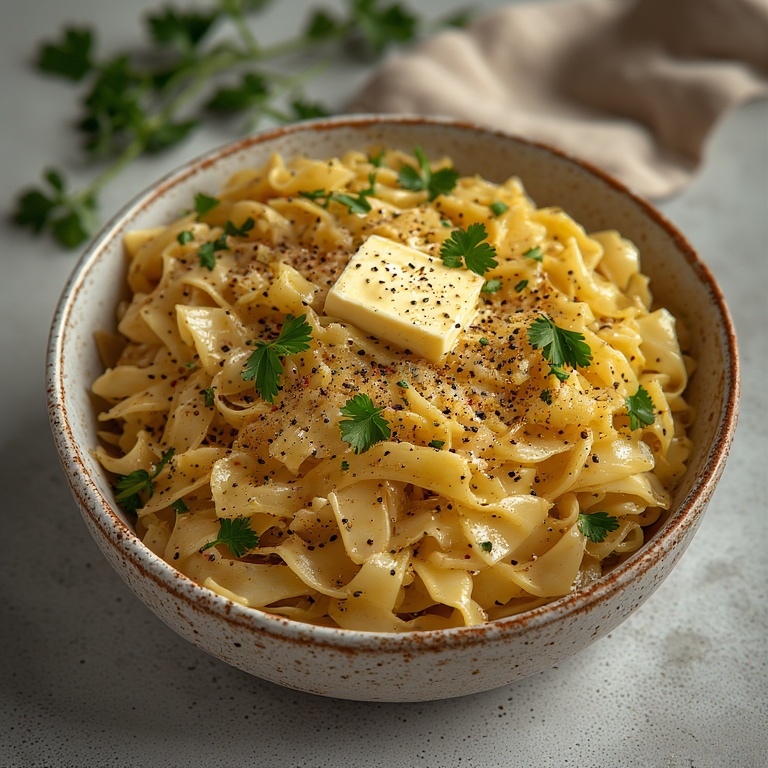
Combine Everything – Stir the drained noodles into the slow cooker with the cabbage mixture. Toss well to coat the noodles with butter and cabbage juices. Taste and add the remaining ½ teaspoon salt (or more to taste) and extra butter if desired. Cover and cook on LOW for 15-20 minutes more, allowing the noodles to absorb flavors.
Finish and Serve – Stir in fresh parsley or chives if using. Serve warm directly from the slow cooker, with extra black pepper on top if desired.
Creative Variations and Add-Ins
Protein Additions – Slice cooked kielbasa, smoked sausage, or Polish sausage and stir it in during the last 20-30 minutes of cooking. Shredded rotisserie chicken works beautifully—add it when you add the noodles. For breakfast-style, add crumbled cooked bacon.
Vegetarian Protein Boost – Stir in a drained can of white beans or chickpeas when adding the noodles for plant-based protein and extra heartiness.
Tangy Finish – Add a splash of apple cider vinegar at the end for brightness, or stir in a spoonful of drained sauerkraut for traditional Eastern European flavor.
Creamy Version – Stir in ¼-⅓ cup sour cream or plain Greek yogurt right before serving (off the heat to prevent curdling). This creates a creamier, richer dish reminiscent of stroganoff.
Extra Vegetables – Add thinly sliced carrots, bell peppers, or mushrooms with the cabbage at the beginning. They’ll cook down along with the cabbage.
Textural Contrast – Reserve a handful of raw, thinly sliced cabbage and stir it in at the very end for a bit of crunch against the tender cooked cabbage.
Different Seasonings – Try adding dried thyme, marjoram, or dill. A bay leaf cooked with the cabbage adds subtle complexity (remove before serving).
Serving Suggestions
Simple Proteins – Serve alongside grilled or baked sausages, kielbasa, roasted chicken, or pork chops. The cabbage and noodles act as the perfect complement to simply prepared meat.
Fresh Contrasts – A crisp green salad with vinaigrette cuts through the richness. Roasted carrots or Brussels sprouts add different textures and flavors.
Bread Accompaniments – Crusty bread or soft dinner rolls help soak up the buttery juices. Garlic bread makes it feel even more indulgent.
Traditional Sides – For an old-school Midwestern feast, serve with mashed potatoes or pierogi and sour cream on the side.
Complete Meal – Honestly, this dish is hearty enough to serve on its own for a simple, satisfying dinner.
Make-Ahead and Storage Tips
Advance Preparation – Slice cabbage and onion the night before and refrigerate in a sealed bag or container. Measure seasonings into a small bowl. In the morning, just dump everything into the slow cooker, add liquids, and turn it on.
Leftover Storage – Cool completely, then store in an airtight container in the refrigerator for 3-4 days. The noodles absorb more liquid as they sit, so leftovers may seem less saucy. Add a splash of broth when reheating.
Reheating – Microwave individual portions with a splash of broth or water to restore moisture. Stovetop reheating in a skillet works well too—add a bit of butter or broth and heat over medium until warmed through.
Freezing Considerations – While you can freeze this dish, noodles tend to become mushy when frozen and reheated. If you plan to freeze, consider cooking and adding fresh noodles after thawing and reheating the cabbage base.
Time-Saving Tips
Morning Prep Shortcuts – Pre-slice vegetables, pre-melt butter, and measure seasonings the night before. Store everything in the refrigerator. Morning assembly takes less than 5 minutes.
Use Pre-Shredded Cabbage – Many stores sell coleslaw mix or shredded cabbage. While fresh whole cabbage tastes better, pre-shredded saves significant time.
Cook Noodles Ahead – If your evening is especially rushed, cook noodles in advance and refrigerate. Reheat in the microwave before stirring into the cabbage.
Why This Recipe Works
The slow cooker’s gentle, even heat breaks down the cabbage’s tough cellular structure without harsh boiling that can make it mushy. The long cooking time allows natural sugars in the cabbage and onions to develop, creating sweetness that balances the butter’s richness.
Cooking noodles separately rather than in the slow cooker prevents them from becoming overcooked and mushy. Adding them at the end gives you control over texture—they should be tender but still have a slight bite, and they absorb just enough flavor without turning to mush.
The combination of butter and olive oil creates a rich coating that doesn’t solidify when cooled (as pure butter would), keeping the dish silky even as leftovers.
Perfect for Various Occasions
Busy Weeknights – Set it up before work and come home to dinner almost ready—just cook noodles and combine.
Budget-Conscious Meals – Feed a family for minimal cost without sacrificing satisfaction or nutrition.
Cold Weather Comfort – When temperatures drop and you crave something warm and filling, this delivers completely.
Simple Sunday Dinners – Uncomplicated enough for a relaxed weekend meal with family.
Potluck Contributions – Transport the cabbage in the slow cooker (keep it on warm) and cook noodles on arrival, or cook everything ahead and reheat.
Final Thoughts
In a world of complicated recipes and exotic ingredients, there’s profound satisfaction in dishes like this—simple, honest food that feeds both body and soul. This slow cooker cabbage and noodles doesn’t try to be fancy. It simply delivers comfort, warmth, and satisfaction using ingredients that cost almost nothing.
The beauty lies not just in the ease of preparation but in how it transforms humble cabbage into something genuinely crave-worthy. Once you taste how sweet and tender slow-cooked cabbage becomes, tossed with buttery noodles and savory seasonings, you’ll understand why this has been sustaining families for generations.
Sometimes the best recipes are the ones that have stood the test of time—the ones grandmothers made without measuring, the ones that feel like home.
Prep Time: 15 minutes
Cook Time: 4-5 hours (LOW) or 2-3 hours (HIGH)
Noodle Cooking: 10 minutes
Total Time: 4.5-5.5 hours
Servings: 4
Course: Main Dish
Cuisine: Midwestern American, Eastern European-inspired
Difficulty: Easy