

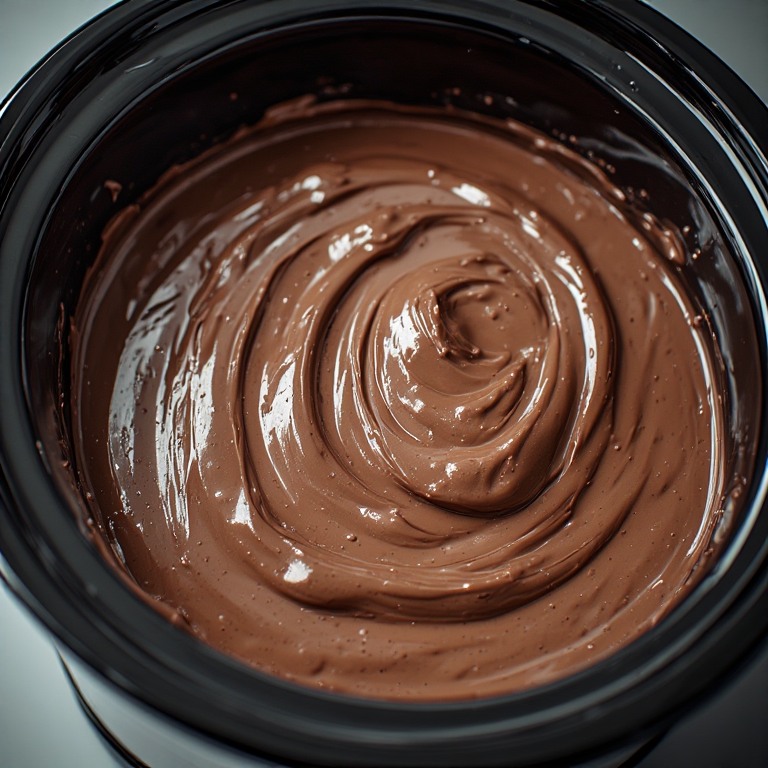
Slow Cooker German Chocolate Cake
German chocolate cake is one of those desserts that earns its reputation through sheer, unapologetic indulgence. Rich chocolate cake, glossy chocolate syrup baked into the batter, pools of melted chocolate chips, and that signature coconut-pecan frosting — sweet, chewy, and deeply caramel-like — spread generously over the top. It’s a dessert that tends to silence a table. This slow cooker version takes all of that flavor and concentrates it into a single-layer cake that you scoop warm into bowls and top with ice cream, which immediately begins to melt into the chocolate in the best possible way.
The technique here is different from a traditional layered German chocolate cake, and deliberately so. This isn’t a cake you cool, unmold, and frost neatly. It’s a warm, deeply moist, slightly fudgy chocolate base that you serve straight from the slow cooker — rustic, generous, and thoroughly satisfying in a way that a polished slice of cake sometimes isn’t. The paper towel trick (laid across the top of the slow cooker before the lid goes on) absorbs condensation that would otherwise drip onto the surface and create wet, sunken spots in the finished cake. It’s a small step that makes a significant difference to the texture.
A Note on “German” Chocolate Cake
Despite the name, German chocolate cake has no German origin. It takes its name from Sam German, an American baker who in 1852 developed a mild, sweet baking chocolate for the Baker’s Chocolate Company. The cake recipe that made the chocolate famous was published in a Dallas newspaper in 1957, attributed to a Texas homemaker who used German’s Sweet Chocolate as the base. The recipe spread rapidly and became a classic of American home baking. The distinctive coconut-pecan frosting — made by cooking together evaporated milk, egg yolks, sugar, butter, shredded coconut, and chopped pecans — is what truly defines the cake and distinguishes it from any other chocolate layer cake.
This slow cooker version uses a boxed German chocolate cake mix as the foundation, which captures that mild, sweet chocolate character efficiently, and canned coconut-pecan frosting for the topping, which is a practical and genuinely good shortcut that delivers the classic flavor profile with almost no additional effort.
Why You’ll Love This Recipe
The case for making this in the slow cooker rather than the oven begins with the texture. Slow cooker cakes bake in a moist, enclosed environment that keeps the interior deeply tender and almost pudding-like at the center — a quality that’s difficult to achieve in a conventional oven without underbaking. For a chocolate cake that you’re going to scoop into bowls and serve warm with ice cream, this moist, fudgy interior is exactly the right consistency. It’s not a cake you’d serve in elegant slices at a formal dinner; it’s the kind of dessert you bring to the table in the slow cooker insert and let people help themselves, and it consistently produces very enthusiastic responses.
Beyond texture, the appeal is practicality. The prep takes about ten minutes, the slow cooker does three hours of unattended work, and the result is a dessert that looks and tastes considerably more impressive than the effort involved. The oven stays free for the rest of the meal, the kitchen doesn’t heat up, and cleanup is minimal. For a family dinner, a potluck contribution, or a casual gathering where you want a dramatic dessert without the work of building a layered cake from scratch, this recipe delivers reliably.
Ingredient Notes
German chocolate cake mix (one standard 16.25 oz box) is the base. German chocolate cake mix specifically produces the mild, slightly sweet chocolate flavor that’s characteristic of the original cake and pairs correctly with the coconut-pecan frosting. Regular devil’s food or dark chocolate cake mix can substitute if German chocolate isn’t available — the result will be a more intensely chocolate-forward cake with a slightly less sweet base, which many people actually prefer. Follow the recipe below rather than the box directions, which produce a different texture and are designed for oven baking.
Buttermilk replaces the water or regular milk that the box instructions call for. Buttermilk contributes a gentle tang that balances the sweetness of the cake and the frosting, and its acidity reacts with the baking soda in the cake mix to produce a slightly more tender, fine-grained crumb. If you don’t have buttermilk, make a quick substitute by adding one tablespoon of white vinegar or lemon juice to a cup of regular milk and letting it sit for five minutes — it behaves nearly identically in baking.
Butter, melted, replaces the oil that most boxed cake mixes call for. Butter produces a richer, more flavorful cake than neutral vegetable oil and contributes to the deeper, more indulgent quality of the finished result. Use unsalted butter if possible for better control over the final flavor.
Chocolate syrup is the ingredient that pushes the chocolate flavor significantly further than a plain box mix alone can go. Half a cup stirred into the batter adds moisture, deepens the chocolate color, and produces a more intensely flavored, glossy interior. Classic Hershey’s chocolate syrup is the standard choice here.
Chocolate chips folded into the finished batter melt during the slow cook and create pockets of concentrated chocolate richness throughout the cake. Semi-sweet chips are the most complementary choice alongside the sweet cake batter and frosting. Dark chocolate chips work beautifully if you want a deeper, more bittersweet contrast against the sweetness of the coconut-pecan topping.
Coconut-pecan frosting — two 15-ounce cans — is what makes this unmistakably German chocolate cake. One can goes on top of the raw batter before cooking, where it melts down into and around the cake during the three-hour slow cook, flavoring the interior. The second can goes on top of the finished warm cake just before serving, providing a fresh layer of the sweet, chewy frosting that defines the dessert. Keep it about an inch away from the sides of the slow cooker when adding the first can — frosting that touches the hot sides of the insert tends to burn and scorch before the center is done.
Sweetened coconut flakes sprinkled between the two frosting layers add additional texture and a toasted coconut flavor as they warm against the frosting during cooking. They’re not strictly required if you want to simplify further, but they contribute noticeable texture and visual appeal to the finished cake.
Paper towels — a few layers placed across the top of the slow cooker insert before the lid goes on — are one of the most important components of any slow cooker cake recipe. As the cake bakes, steam rises and condenses on the underside of the lid. Without the paper towels to absorb it, that condensation drips back onto the surface of the cake, creating wet patches that prevent proper cooking in those areas and leave the surface sunken and soggy. The paper towels absorb the moisture before it can drip. This step should not be skipped.
Ingredients
- 1 box (16.25 oz) German chocolate cake mix
- ½ cup unsalted butter, melted
- 1 cup buttermilk
- ½ cup chocolate syrup
- 2 large eggs
- 1 tsp vanilla extract
- ½ cup semi-sweet chocolate chips
- 2 cans (15 oz each) coconut-pecan frosting
- 1 cup sweetened coconut flakes
For serving: vanilla ice cream