

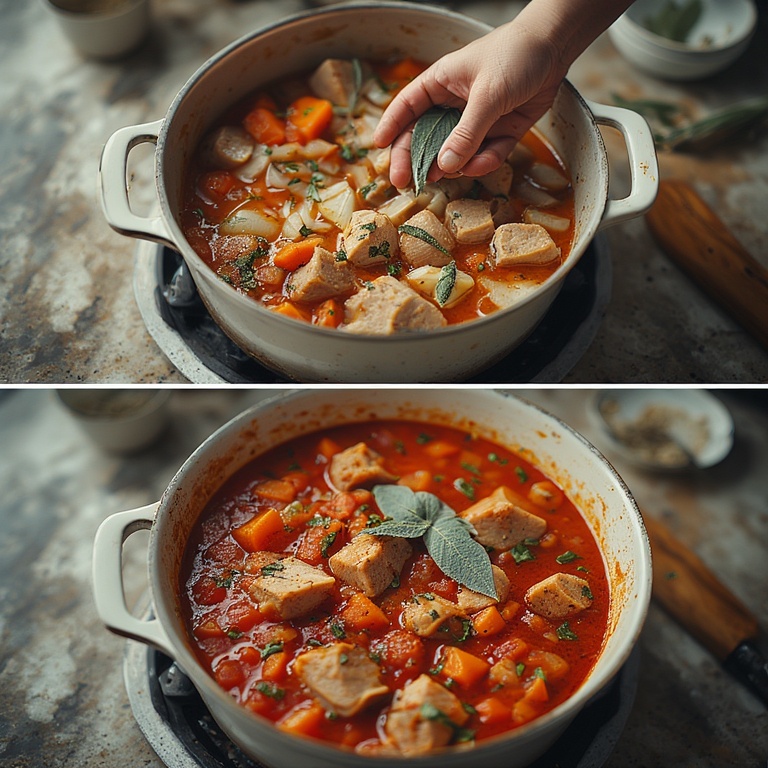
Braised Tripe (Trippa in Umido): A Traditional Italian Comfort Dish
In the world of Italian cuisine, few dishes embody the philosophy of “cucina povera” (peasant cooking) quite like trippa in umido—braised tripe simmered in a rich tomato sauce. This rustic second course represents the ingenious resourcefulness of traditional Italian cooking, where nothing goes to waste and even the humblest ingredients transform into something deeply satisfying and delicious.
While tripe might seem intimidating to modern cooks, this dish has been cherished for generations across Italian regions, with each area adding its own distinctive touches. Today, even celebrated chefs are rediscovering and elevating this traditional preparation, bringing it back into the spotlight as a gourmet comfort food worth celebrating.
Preparation Time: 20 minutes
Cooking Time: 80 minutes
Total Time: 100 minutes
Servings: 4
Difficulty Level: Easy
Understanding Tripe: The Fifth Quarter
Before diving into the recipe, it’s worth understanding what tripe actually is. Despite common misconceptions, tripe is a lean cut of meat derived from various parts of a cow’s or calf’s stomach, belonging to what Italians call the “quinto quarto” (fifth quarter)—the offal and less conventional cuts that once fed working-class families.
The tripe you find in markets today typically comes pre-cleaned and blanched (treated with a chlorine solution to whiten and tenderize it). However, even pre-treated tripe benefits from additional preparation at home to ensure the most tender, melt-in-your-mouth final result.
Essential Ingredients
The Protein
Tripe (750g / 1.65 lbs): The star of this dish. Look for tripe that appears creamy white and has a honeycomb texture. It should smell fresh without any off odors.
The Aromatic Base
Carrot (1 medium): Adds natural sweetness and depth to the sauce base.
Celery (1 stalk): Contributes an earthy, slightly bitter note that balances the richness.
White Onion (1 medium): Provides the foundational sweetness and savory depth essential to Italian soffritto.
The Flavor Builders
Tomato Puree (300g / 10.5 oz): Creates the luscious sauce that braises and flavors the tripe. Choose high-quality tomato puree for best results.
Dry White Wine (1 glass): Used to deglaze the pan, adding acidity and complexity to the sauce.
Bay Leaf (1): Infuses the dish with subtle, aromatic herbal notes.
Sage (1 leaf): Provides an earthy, slightly peppery flavor that complements the richness of the tripe.
Extra Virgin Olive Oil: For sautéing the vegetables and finishing the dish.
Salt and Black Pepper: Essential seasonings to taste.
Complete Step-by-Step Preparation
Preparing Your Vegetables
Begin by thoroughly washing your carrot, celery, and onion. Remove any tough outer layers or blemished areas. Using a sharp knife, roughly chop all three vegetables into small, uniform pieces. You want them finely diced but not minced—aim for pieces about the size of small peas. This coarse chop will allow them to soften completely during cooking while still contributing texture to the final sauce.
Preparing the Tripe
Cut your tripe into relatively thick strips, approximately 1-2 cm wide and 5-6 cm long. Place these strips in a colander and rinse them thoroughly under cold running water. This initial rinse removes any residual processing solutions and ensures a clean-tasting final dish.
Next comes a crucial step: blanching. Fill a large pot with unsalted water and bring it to a rolling boil. Add your tripe strips and allow them to boil for about 15 minutes. This pre-cooking serves multiple purposes—it further tenderizes the meat, removes any remaining impurities, and begins the cooking process. After 15 minutes, drain the tripe in your colander and set it aside while you prepare the sauce base.
Building the Flavor Foundation
Heat a generous drizzle of extra virgin olive oil in a large, heavy-bottomed pot or Dutch oven over medium-low heat. The heavy bottom ensures even heat distribution, preventing burning while allowing slow, gentle cooking.
Add your chopped vegetables—the carrot, celery, and onion—to the warm oil. This classic combination forms what Italians call a “soffritto,” the aromatic foundation of countless Italian dishes. Stir the vegetables occasionally with a wooden spoon, allowing them to soften and become translucent without taking on color. This gentle cooking, which should take about 5-7 minutes, coaxes out their natural sugars and creates a sweet, savory base for your sauce.
Browning the Tripe
Once your vegetables have softened nicely, add your blanched tripe strips to the pot. Increase the heat slightly to medium and allow the tripe to brown lightly, stirring occasionally. You want the tripe to develop a bit of color and begin absorbing the flavors of the soffritto. This process takes about 3-4 minutes.
Deglazing with Wine
Now comes one of the most aromatic steps. Pour in a generous glass of dry white wine—the liquid should sizzle satisfyingly as it hits the hot pot. Increase the heat to medium-high and allow the wine to bubble vigorously. This deglazing process lifts all the flavorful browned bits from the bottom of the pot while the alcohol evaporates, leaving behind the wine’s complex flavors. Let the wine reduce by about half before proceeding.
Creating the Braising Sauce
Add your tomato puree to the pot, stirring well to combine it thoroughly with the tripe and vegetables. The sauce should coat everything evenly. Season with salt and freshly ground black pepper to taste—remember to go easy on the salt initially, as the sauce will reduce and concentrate during cooking.
Tuck the bay leaf and sage leaf into the sauce where they’ll infuse their aromas throughout the cooking process. Reduce the heat to low, cover the pot with a tight-fitting lid, and allow everything to simmer gently for approximately 1 hour.
The Long, Slow Braise
During this hour of gentle braising, several magical transformations occur. The tripe continues to tenderize, becoming increasingly soft and succulent. The tomato sauce thickens and intensifies in flavor. The herbs release their essential oils, perfuming the entire dish. Stir occasionally and check on the liquid level—if the sauce begins to look too thick or starts sticking to the bottom of the pot, add a ladleful of hot water or vegetable broth to maintain the proper consistency.
Testing for Doneness
After an hour, it’s time to check if your tripe is ready. Pierce a piece with a fork—the tines should slide in easily, and the tripe should feel tender and almost melt on your tongue. If it still seems chewy or resistant, continue cooking for another 15-20 minutes, checking periodically.
The Final Touches
Once your tripe reaches perfect tenderness, remove the bay leaf and sage (they’ve given all their flavor and are now just for show—not for eating). Taste the sauce and adjust the seasoning if needed. The dish should be richly flavored, with the sweetness of the tomatoes balanced by the savory depth of the meat and vegetables.
Plating and Serving
Transfer the braised tripe to individual serving dishes or a family-style serving bowl. Drizzle each portion with a thread of your best extra virgin olive oil and finish with a few grinds of fresh black pepper. This final addition of raw olive oil adds a fruity, peppery note that brightens the entire dish.
Serving Suggestions
Trippa in umido is traditionally served with plenty of crusty Italian bread—the kind with a thick, chewy crust and an airy interior perfect for soaking up every drop of that luscious tomato sauce. The dish pairs beautifully with a full-bodied red wine, such as a Chianti or Barbera, whose tannins and acidity cut through the richness of the tripe.
For a complete meal, consider starting with a light salad of bitter greens dressed simply with lemon and olive oil. The crisp, refreshing vegetables provide a pleasant contrast to the rich main course.
Storage and Reheating
Due to the delicate nature of the tripe and the tomato-based sauce, this dish is best enjoyed fresh. However, you can store leftovers in an airtight container in the refrigerator for up to 1 day. Reheat gently over low heat on the stovetop, adding a splash of water or broth if the sauce has thickened too much.
This dish does not freeze well, as the texture of the tripe can become rubbery after freezing and thawing.
Expert Tips for Success
Quality Matters: Start with the freshest tripe you can find. Visit a reputable butcher who can guide you to the best cuts.
Don’t Skip the Blanching: Even though your tripe comes pre-cleaned, the home blanching step makes an enormous difference in the final tenderness and flavor.
Low and Slow: Resist the temptation to increase the heat. Gentle, slow cooking is what transforms tough connective tissue into tender, succulent bites.
Taste as You Go: Since every tomato puree has slightly different acidity and sweetness levels, taste your sauce and adjust seasonings accordingly.
The Fork Test: The most reliable way to test doneness is the fork test—if the fork slides in easily and the tripe feels tender, it’s ready.
Regional Variations
While this recipe represents a classic preparation, Italian regions each have their own takes on braised tripe:
- Rome adds mint and pecorino romano cheese
- Milan includes butter and sometimes potatoes
- Naples might incorporate hot pepper for a spicy kick
- Florence often adds additional aromatics like garlic and parsley
Feel free to experiment and find your own perfect variation!
Nutritional Benefits
Despite its rich flavor, tripe is actually quite nutritious. It’s low in fat, high in protein, and contains significant amounts of vitamin B12, zinc, and selenium. The slow braising method helps break down the connective tissues, making the nutrients more bioavailable.
Why This Dish Deserves a Place at Your Table
In an era when nose-to-tail eating and sustainable cooking have become important culinary values, dishes like trippa in umido deserve renewed appreciation. This recipe celebrates the Italian philosophy of transforming humble ingredients into something extraordinary through patience, technique, and respect for tradition.
The beauty of this dish lies in its simplicity—there are no complicated techniques or hard-to-find ingredients. What it requires is time, attention, and a willingness to embrace a less conventional cut of meat. The reward is a deeply flavorful, satisfying dish that connects you to centuries of Italian culinary tradition.
Whether you’re an adventurous eater looking to expand your repertoire or someone with fond memories of similar dishes from childhood, this braised tripe recipe offers comfort, tradition, and undeniable deliciousness in every bite. Give it a chance, and you might just discover your new favorite way to appreciate Italian comfort cooking at its finest.