
The Cultural History & Science of Peppermint Bark
Headline: Why We Crave the Crunch: The Evolution of Vegan Peppermint Bark
The holiday season is a sensory experience. It’s the smell of pine, the glow of fairy lights, and undeniably, the taste of peppermint clashing against rich chocolate. But where did this tradition come from? Peppermint bark has its roots in traditional European confectionery, but it became a global holiday icon in the late 1990s. For those living a plant-based lifestyle, however, the “white chocolate” layer was always a barrier—until now.
Creating Vegan Peppermint Bark is more than just a culinary substitution; it is about reclaiming a holiday tradition. The challenge lies in the fats. Traditional white chocolate relies on milk solids for its creamy mouthfeel. In this recipe, we utilize high-quality cocoa butter-based vegan chocolates that mimic that velvety texture without the ethical or digestive drawbacks of dairy.
When you make this, you aren’t just making candy; you are creating a gift. It is a testament to how far vegan confectionery has come.
Ingredients Deep-Dive & Sourcing Guide
Headline: Quality Matters: Choosing the Right Components for Your Bark
To create a professional-grade bark, you must understand your ingredients. Because this recipe has no flour or eggs to hide behind, every component must be top-tier.
1. The Dark Chocolate Foundation
Choose a dark chocolate with at least 60% to 70% cacao. A higher cacao percentage means less sugar and a deeper, more bitter profile that perfectly offsets the sweet white chocolate. Ensure the label says “dairy-free” or “vegan,” as some dark chocolates contain butter oil.
2. The Vegan White Chocolate Mystery
This is the hardest ingredient to find but the most rewarding. Look for brands that list Cocoa Butter as the primary ingredient rather than just palm oil. This ensures that the chocolate melts smoothly and doesn’t become “waxy” when cooled.
3. Peppermint Oil vs. Extract
-
Peppermint Extract: Alcohol-based, lighter in flavor.
-
Peppermint Food-Grade Essential Oil: Much more potent. We recommend a high-quality Pure Peppermint Extract for this recipe to ensure the flavor is refreshing rather than overpowering.
4. Vegan Candy Canes
Did you know some candy canes are processed using bone char? For a truly vegan bark, look for “Organic” or “Natural” brands at health food stores, which typically use beet sugar or evaporated cane juice.
The Masterclass: Step-by-Step Instructions
Headline: Perfect Layers Every Time: The Foolproof Technique
Step 1: Preparing the Canvas
Line a 9×13 inch baking sheet with parchment paper. Leave a little overhang on the sides—this acts as a “handle” so you can lift the entire block of chocolate out once it’s set.
Step 2: Tempering the Dark Layer
Melt 12 oz of vegan dark chocolate with 1 teaspoon of coconut oil using a double boiler. Keep the heat low; chocolate is temperamental and can “seize” if it gets a drop of water in it or gets too hot. Once melted, stir in 1/2 teaspoon of peppermint extract. Spread it onto the sheet in a thin, even layer using an offset spatula.
Step 3: The “Tacky” Phase
This is the secret. Do not let the dark chocolate freeze. Place it in the fridge for exactly 12-15 minutes. You want it to be firm to the touch but still have a slight “give.” If it’s too hard, the top layer will slide off like a sheet of ice.
Step 4: The White Chocolate Crown
Melt the 12 oz of vegan white chocolate with another teaspoon of coconut oil. Once smooth, add the remaining peppermint extract. Pour it gently over the dark layer. Use a light hand to spread it—don’t press too hard, or you will disturb the dark chocolate beneath.
Step 5: The Garnish
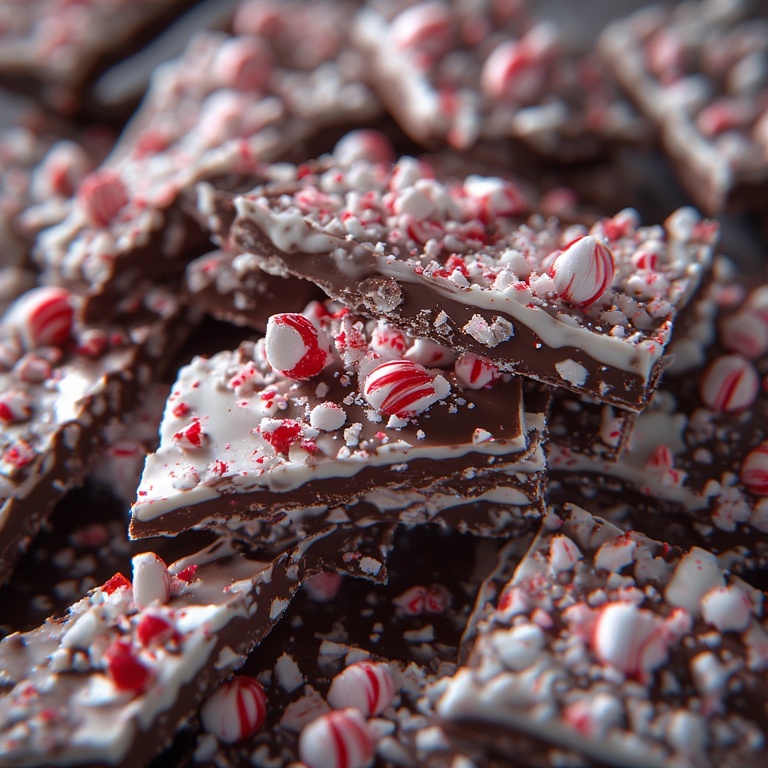
Immediately sprinkle your crushed candy canes. Use a mix of “dust” and “chunks” for the best aesthetic. Lightly press the larger pieces into the chocolate with the back of a spoon so they don’t fall off later.
Troubleshooting, Gifting, and Storage
Headline: Expert Tips for the Perfect Holiday Gift
Troubleshooting: “My layers are separating!”
If your layers separate after breaking, it means the first layer was too cold. If this happens, don’t worry! You can still eat it, or you can chop it up and stir it into vegan vanilla ice cream for a “Peppermint Bark Mash-up.”
How to Break the Bark
For a rustic look, use your hands to snap the bark into irregular triangles. For clean, sharp edges, heat a sharp chef’s knife under hot water, wipe it dry, and press firmly into the chocolate.
Packaging for Gifts
Vegan Peppermint Bark is the perfect “Mason Jar” gift. Layer the pieces in a jar, tie it with a piece of twine and a sprig of fresh rosemary. Because it’s vegan, it actually has a slightly longer shelf life than dairy bark!
-
Fridge: 3-4 weeks in an airtight container.
-
Freezer: Up to 3 months. (It tastes amazing frozen!)