

Instructions
1. Prepare the Sweet Potatoes
-
Peel and cube the sweet potatoes evenly for even cooking.
-
Place them in a large bowl.
2. Season
-
Add olive oil, paprika, garlic powder, salt, pepper, and honey/maple syrup if using.
-
Toss well until all pieces are coated.
3. Roast
-
Preheat the oven to 220°C (425°F).
-
Spread the sweet potatoes on a baking tray in a single layer.
-
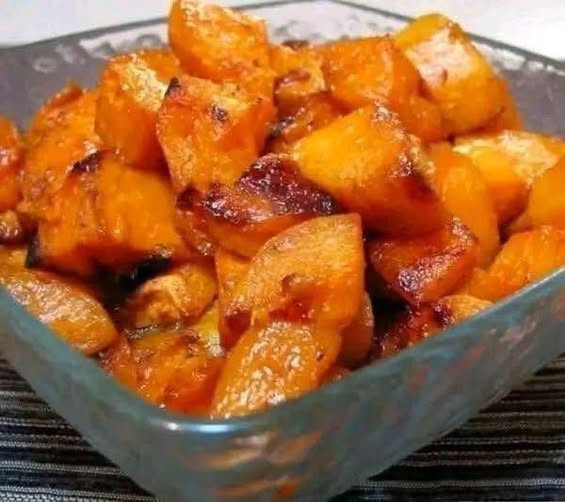
Roast for 25–35 minutes, turning halfway through, until golden and caramelised.
4. Serve
Serve hot as a side dish or add to salads, grain bowls, tacos, or chicken dishes.
Benefits
-
Rich in nutrients: Sweet potatoes are high in vitamins A, C, and B6.
-
High in fibre: Supports digestion and long-lasting fullness.
-
Natural sweetness: Makes it a healthier alternative to sugary snacks.
-
Anti-inflammatory properties: Thanks to beta-carotene and antioxidants.
-
Versatile: Works with savoury or sweet seasonings.
Tips
-
Spread the potatoes out — overcrowding prevents caramelisation.
-
For extra crispiness, increase oven temp briefly at the end.
-
Add a pinch of chilli flakes for a spicy kick.
-
Use parchment paper for easy cleanup.
-
Cube size matters: smaller cubes = faster, crispier; larger cubes = softer inside.
-
Drizzle with lemon juice or balsamic glaze before serving for depth of flavour.
Expanded History & Background (Engaging Information for Your Website)
Sweet potatoes have a long and fascinating history that spans more than 5,000 years. Originating in Central and South America, they were cultivated by ancient civilisations such as the Incas and Mayans, who valued them for their sweetness, durability, and long storage life. Evidence shows they were one of the earliest domesticated crops in the Americas.
When European explorers arrived in the 15th and 16th centuries, sweet potatoes quickly spread across the globe. They adapted well to tropical and subtropical climates, making them popular in Africa, Asia, and the Pacific Islands. Interestingly, sweet potatoes reached Polynesia before European contact, likely through early maritime trade or natural ocean drift — a mystery that still fascinates historians and botanists today.
In the United States, sweet potatoes became especially associated with Southern cuisine. During colonial times and later the Civil War, they were prized for being affordable, filling, and easy to grow in poor soil. Roasting sweet potatoes became a staple because it brought out their natural caramel sweetness without needing much seasoning. Over generations, different versions emerged: savoury roasted cubes, candied sweet potatoes, mashed sweet potatoes, and holiday casseroles.
Modern roasted sweet potatoes, like the version in your photo, became a popular side dish in the 20th and 21st centuries as people embraced healthier eating. The caramelisation achieved in the oven highlights both their sweetness and their earthy depth, making them a versatile dish for everyday meals, vegan diets, paleo/keto variations, and festive gatherings.
Today, roasted sweet potatoes are loved worldwide for their simplicity, flavour, and nutritional benefits — a perfect example of how ancient foods continue to thrive in modern kitchens.